Why Data-Driven Marketing Is Becoming Essential for Hotels
The hospitality industry has become increasingly competitive, and traditional marketing methods alone are no longer enough for hotels to attract and retain guests. Digital marketing has introduced new opportunities for hotels to reach global audiences, but it has also created an environment where large amounts of customer data are generated every day. Hotels that can effectively analyse and use this data are far more likely to make informed marketing decisions and improve their overall performance.
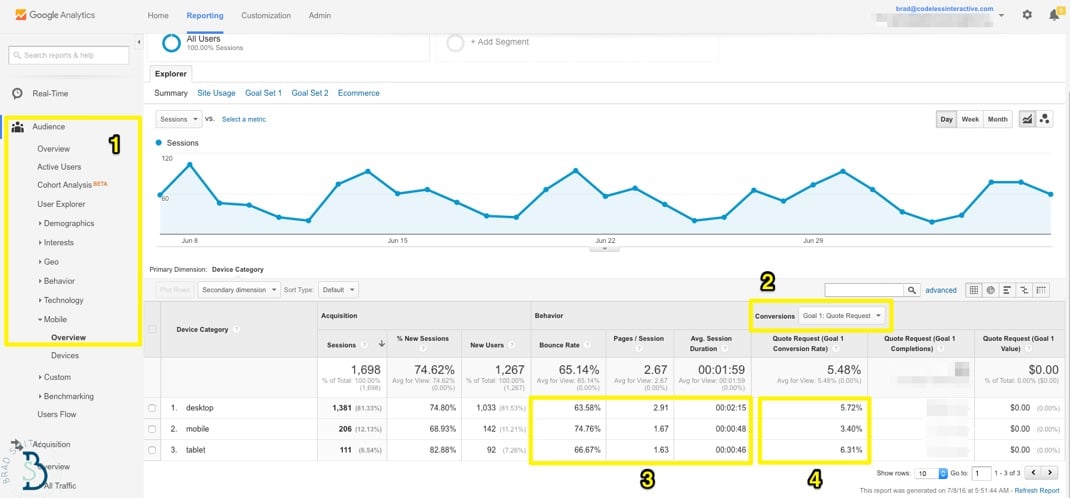
Data-driven marketing allows hotel businesses to understand how potential guests discover their brand, interact with their website, and ultimately make booking decisions. For example, tools such as Google Analytics allow hotels to track website traffic, identify the channels that bring visitors to their site, and analyse how users behave once they arrive. These insights can reveal whether customers are coming from search engines, social media, or referral platforms, helping hotels focus their marketing efforts on the most effective channels.
Research in hospitality marketing shows that digital marketing strategies supported by data analysis significantly improve customer engagement and sales performance. Studies also highlight that hotels using analytics are better able to understand customer preferences and adjust their marketing strategies accordingly (ResearchGate; IGI Global). This is particularly important because modern travellers often compare multiple hotels online before making a booking decision.
For hotel businesses looking to implement data-driven marketing, the first step is to establish reliable tracking systems. Integrating analytics tools into hotel websites allows businesses to measure key metrics such as page views, user engagement, and booking conversions. Once this data is collected, hotels can begin identifying patterns in customer behaviour. For instance, if a hotel notices that most website visitors come from social media but do not complete bookings, this may indicate the need to improve the booking process or landing pages.
Another important step involves using data to personalise marketing campaigns. Hotels can analyse customer demographics, travel patterns, and booking history to design targeted promotions. For example, a hotel might create tailored offers for repeat visitors or seasonal discounts for travellers searching for specific destinations.
Ultimately, data-driven marketing enables hotels to move beyond guesswork and base their marketing strategies on measurable insights. In a crowded travel industry where visibility and differentiation are essential, hotels that leverage digital analytics are better positioned to attract guests, optimise marketing budgets, and achieve long-term growth.
Digital marketing generates vast amounts of data about customer behaviour. Hotels that analyse this data can better understand how travellers discover their brand, interact with their website, and ultimately make booking decisions.

What Hotels Can Do
Track website performance using analytics tools such as Google Analytics.
Analyse traffic sources to identify which marketing channels generate bookings.
Use data insights to optimise advertising campaigns and marketing budgets.
Study user behaviour on booking pages to improve conversion rates.
Monitor customer demographics and travel patterns to personalise marketing strategies.
Research Perspective
Academic studies highlight that data analytics improves marketing decision-making and strategic planning in hospitality businesses. Digital marketing analytics enables organisations to evaluate campaign performance and optimise marketing investment. This aligns with data-driven marketing theory, which emphasises evidence-based decision-making rather than intuition alone.
Read for more information:
https://www.glion.edu/magazine/importance-of-hotel-marketing-strategies/
https://saudijournals.com/articles/9913/
https://www.researchgate.net/publication/325117493_Digital_marketing_in_hotel_industry
https://lesroches.edu/blog/hospitality-digital-marketing/
https://lesroches.edu/blog/hotel-marketing-strategies/
https://en.eragroup.com/insights/digital-marketing-in-hospitality/
https://cleandigital.co.uk/blog/digital-marketing-for-hotels-our-blueprint-for-success


That was so informative and helpful, I appreciate you 👌
ReplyDeleteThis is a clear explanation of how data analytics helps hotels understand customer behaviour and improve marketing strategies. Using tools like Google Analytics allows businesses to optimise campaigns, track performance, and make better data-driven decisions.
ReplyDeleteYour points clearly highlight how data analytics has become essential for modern hotel marketing. By using tools like Google Analytics, hotels can move beyond guesswork and make informed decisions based on real customer behaviour and traffic patterns. Analysing booking sources and user behaviour not only helps improve conversion rates but also allows hotels to allocate their marketing budgets more effectively. In addition, understanding customer demographics and travel patterns enables more personalised marketing strategies, which can strengthen customer engagement and loyalty. Overall, integrating digital marketing analytics supports a more strategic, data-driven approach that enhances marketing performance and competitiveness in the hospitality industry.
ReplyDeleteabsolute slayism!!!!
ReplyDeleteVery clear and easy to understand.....well done
ReplyDelete